This vicious circle obscures the underlying concerns that are causing poor sleep habits in the first place. 50% of Canadian adults have trouble dropping off to sleep or remaining asleep. With time, sleep disturbances lead to a state of sleep deprivation. While much of the brain is a secret, we do know that sleep deprivation's results on the brain can aggravate sleep conditions. There are over 70 kinds of sleep disorders. You probably understand of sleeping disorders, which is a condition where you have a hard time falling or remaining asleep. The results of insomnia can easily affect your lifestyle. If this takes place to you, you're not alone. One research study found that 3.3 million Canadians struggle with insomnia. 5.4 million Canadian grownups have sleep apnea, or are at high threat of establishing it. Sleep deprivation causes psychological disturbances like feeling irritable, nervous, or discontented.
People who are sleep denied typically have problem focusing throughout the day, battle with keeping in mind things, and feel exhausted at bothersome times. Sleep deprivation and mental health are so closely connected that psychiatrists and psychologists consider sleeping disorders an early indication of psychological health problem. On top of mental obstacles, the effects of sleep deprivation manifest in your body also. Poor sleep triggers low sex drive, weight gain, and can weaken your body immune system. This makes you more susceptible to capturing illness like the cold or influenza. The factors for sleep disturbances are comprehensive, from too much screen time, to deep-rooted mental health difficulties. Sleep deprivation and stress and anxiety are a typical set. People with short-term anxiety, and individuals with long-term anxiety disorders, often report difficulty getting enough sleep. The experience of not being able to fall asleep can increase nervous feelings associated with bedtime. It's not surprisingly demanding to have difficulty sleeping, and that stress develops into more fuel for anxious thoughts. ADHD (attention deficit hyperactivity disorder )makes it difficult to sleep for 25% -50 %of children who have it. Youngsters might have a harder time understanding why they feel restless and irritable when they're tired. Poor sleep and ADHD are so typically reported together that, just like with anxiety, it can be hard to inform if sleep problems or ADHD preceded. Coffee drinkers may have trouble sleeping because caffeine is a stimulant. Tobacco, alcohol and other drugs can prevent you from sleeping at all, or prevent you from sleeping deeply.
Stimuli like light from mobile phone and tv screens disrupt our ability to fall asleep and stay asleep. A bedtime regimen that involves shutting down screens, mindful wind-down activities like meditation, and sound reduction, can assist you naturally wander off to sleep. Some specialists study sleep psychology exclusively - how mental illness affects physical health. Their work includes assisting patients manage their sleep conditions, and informing on.
sleep routines. Although we have more to find out, it's clear that sleep deprivation affects a person's mental state. Persistent sleep disorders are more prevalent in individuals who have anxiety than in mentally healthy individuals. When an individual drops off to sleep, there are four phases they pass through - how aging affects our mental health. These are wake, light sleep, deep sleep, and Rapid Eye Movement (rapid-eye-movement sleep) sleep. There are links between the period of a person's Rapid Eye Movement and their memory, ability to find out, and emotional wellness.
The Definitive Guide to How Social Media Affects Mental Health In Children
Some research study correlates depression and insufficient Rapid Eye Movement. Working with a professional can help uncover bad sleep habits, or stressful ideas causing insomnia. You can contact our psychiatrists or psychologists to get going with better sleep, right from the comfort of your bed. Getting enough sleep, and the right type of sleep, is crucial for our general health and health and wellbeing. While you sleep, your body works to support healthy brain function and preserve your physical health. And for children and young individuals, sleep is how their mind and bodies grow and develop. When you do not get sufficient sleep, you feel worn out, you find it tough to focus and remember things and you might be bad-tempered. So not getting sufficient sleep affects the method you feel, think, work, find out.
and get along with other individuals. If you are having problems getting to sleep or remaining asleep, or if you frequently feel tired throughout the day, you might require to exercise what's occurring. However fortunately is most sleeping issues are easily repaired. For a lot of us, we're bad-tempered and irritable, we find it challenging to concentrate, and we have no energy. We can overreact when things don't go our method, and we may find we're less delighted if something good happens. So it is easy to see how ongoing sleeplessness can be a worry. It can likewise significantly impact your mood. Insomnia and mood conditions are closely connected. And it can work both ways sleep loss can affect your mood, and your mood can impact just how much and how well you.
sleep. Studies show people who are sleep deprived report boosts in negative moods( anger, frustration, irritation, unhappiness) and reduces in favorable state of minds. It can likewise raise the danger of, and even add to, developing some mood conditions. Your state of mind can likewise affect how well you sleep. Anxiety and stress increase agitation and keep your body excited, awake and alert. You may find you can't turn your brain off, your heart beats faster and your breathing fasts and shallow (how does socioeconomic affects latino mental health studies). Just how much sleep you need depends on your age, physical activity levels, and basic health. Kids and teens require 910 hours of.
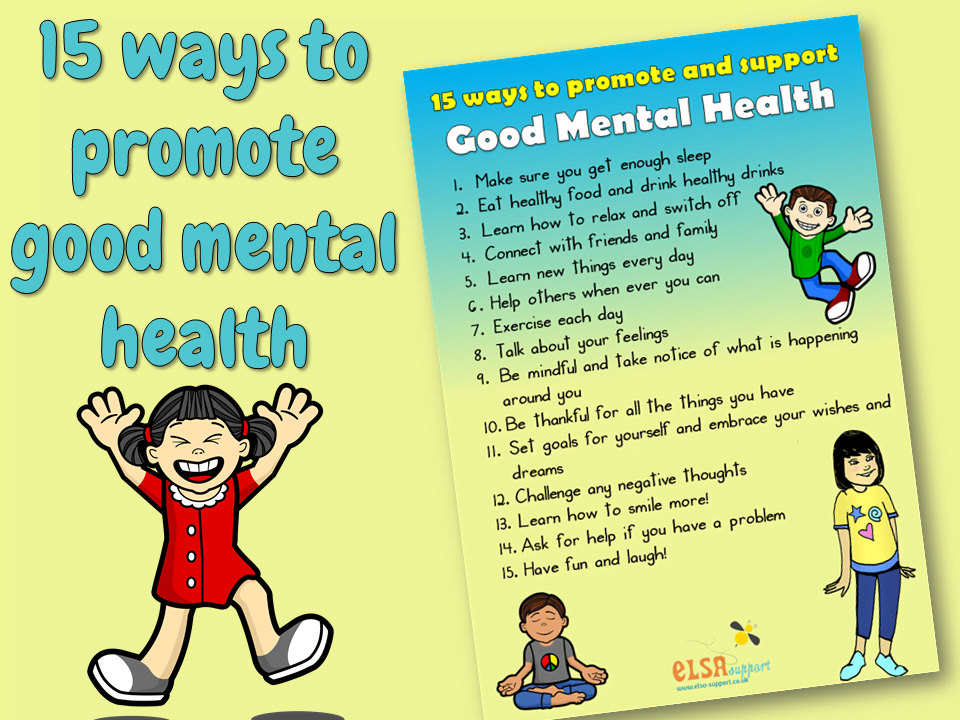
sleep a night (how art affects mental health). Younger children tend to go to sleep earlier and wake previously. As children grow into teens, they appear to get exhausted later and sleep in later. We tend to require less sleep, as we grow older. These are some basic standards. If you( or your kids) are tired throughout the day, you may require more sleep. If you have actually been having problem getting enough good sleep, the excellent news exists are numerous ways you can improve your sleep practices. Attempt going to bed around the http://johnnyjulg126.raidersfanteamshop.com/the-8-second-trick-for-what-is-a-mental-health-therapist very same time every night and getting up at the very same time each morning. Prevent drinking coffee and alcohol too close to bedtime. And finish eating at least 2 hours prior to your head strikes the pillow. Keep TVs and iPads out of your bed room. Make your bed room a haven.
The smart Trick of How Mess Affects Our Mental Health That Nobody is Talking About
Turn the lights down as you get into bed. Check out using a bedside light. Attempt some easy meditation, like closing your eyes for 510 minutes and focusing on taking deep, slow breaths. Take pleasure in a warm bath. Don't lie awake watching the clock. If you are tossing and turning, attempt getting up and checking out a book for half an hour or so before attempting to go to sleep once again. They will assist you work out whether a typical condition is impacting your sleep, such as: insomnia jet lag and shift working sleepwalking, problems and night horrors agitated legs snoring sleep apnoea. Your GP can talk to you about some non-medical treatments for sleep disorders, such as relaxation training. Smiling mind has helpful methods for kids and grownups.